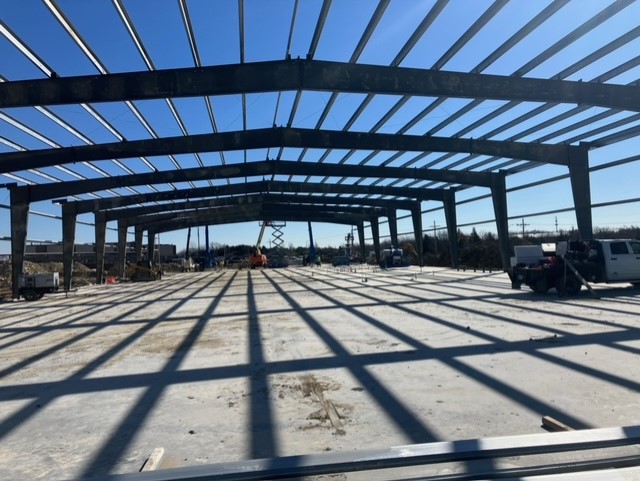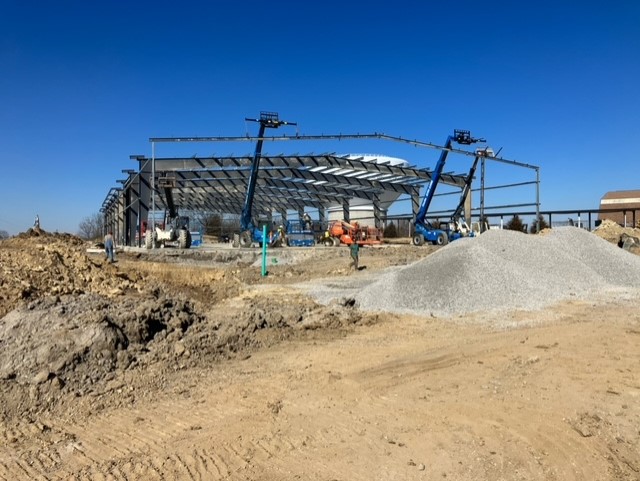
Erecting a steel building in north-central Kansas isn't rocket science - but the difference between a 12-week job that hits budget and a 6-month nightmare comes down to a handful of decisions made before the first piece of red iron leaves the truck. This guide walks you through every one of them, from a Clay Center erector who has set steel from Riley County to North Dakota.
What's in this guide
- Why owners in Clay Center are choosing steel over post-frame
- Site prep: dirt work, drainage and anchor bolts
- A realistic erection timeline (60×80 shop)
- Kansas weather windows: when we lift and when we don't
- Permits in Clay County and the surrounding cities
- Five mistakes we see every spring
- How to hire the right erector
- FAQ
Why owners in Clay Center are choosing steel over post-frame
Five years ago, almost every shop going up around Clay Center was a post-frame (pole) barn. That's changing fast - and not because steel got cheaper. It's because Kansas weather is getting harder on wood, equipment is getting bigger (which means owners want clear spans), and resale on a properly erected pre-engineered metal building (PEMB) is significantly better.
Here's what we tell every owner asking us "should I just go post-frame?":
- Clear spans. A PEMB can clear-span 80, 100, even 120 feet without an interior post in the way. Try sweeping a 32-row planter around posts in a pole barn.
- Wind & snow ratings. Engineered steel handles Kansas wind loads (often 110+ mph design) without breaking a sweat. Pole-barn truss failures are not rare in NCK.
- Insurance & financing. Banks and insurers price steel buildings better than post-frame, especially for commercial use.
- Lifespan. Properly erected and maintained, a steel building outlasts a post-frame by decades.
Post-frame still wins on raw upfront cost for small ag use - we're not knocking it. But if you're putting up a shop you'll still own in 30 years, steel almost always pencils out.
Site prep: the part that decides everything
Nine out of ten budget overruns we see on a Clay County build start in the first week - usually because the site wasn't prepped right. Before your erector ever shows up, three things have to be locked in:
1. Pad & drainage
Your building pad needs to be compacted, graded, and pitched so water moves away from the building on every side. North-central Kansas runs a lot of clay soil - when it gets wet, it moves. We've seen rookie pads heave 2-3 inches between October and April. Get a real dirt-work guy and get a soil compaction test if you can.
2. Slab & anchor bolts
The anchor bolt template that comes from your building manufacturer is the single most important piece of paper in the project. If those bolts are off by more than 1/8" in either direction, your erector is field-cutting and shimming on day one - and your timeline is already slipping. We always recommend the erector be on-site (or at minimum, talking to the concrete crew) when bolts are set.
3. Access
The crane has to get in. The semi delivering steel has to back up to the pad. Boom lifts need a path. If your driveway can't handle a loaded 75-ton crane, that needs to be solved before lift day, not the morning of.
"We've quoted jobs near Wakefield where the owner saved $30K on dirt work and then spent $45K rebuilding the pad three years later. Don't cheap out on what's underground."
A realistic erection timeline (60×80 shop in NCK)
Here's a real timeline we run for a typical 60' x 80' x 16' shop with two overhead doors, one walk-door and basic insulation in north-central Kansas, assuming the slab is poured and cured:
- Days 1–2: Stage steel, sort by piece marks, set the first column line.
- Days 3–5: Set columns and rafters (crane on-site). This is the big lift week - weather-sensitive.
- Days 6–8: Purlins, girts, eave struts. Building takes shape.
- Days 9–12: Roof sheets and wall sheets.
- Days 13–16: Trim, gutters, doors, hardware.
- Days 17–20: Insulation, sealants, final punch list.
So roughly 3 to 4 weeks of on-site time. Larger commercial PEMBs run 6 to 12 weeks. Add weather days. Always add weather days.
Kansas weather windows: when we lift and when we don't
Steel is steel - it doesn't care about cold. Wind is what shuts us down. As a hard rule, we don't fly steel with a crane in sustained winds over 15 mph or gusts over 25 mph. In NCK that means:
- Best lift months: October, November, mid-December, late January through early March. Cold but typically calm.
- Worst lift months: April and May (the wind months) - we still work, we just plan for more delays.
- Summer: Mostly fine, but afternoon thunderstorms can collapse a lift day with 90 minutes of warning.
If your timeline is critical (insurance reset, crop-season equipment storage, etc.), we'll build the schedule around the calmer windows.
Permits in Clay County and surrounding cities
This part trips up a lot of owners.
- Outside city limits in Clay County: Most ag-use buildings don't require a county building permit. Always call the zoning office anyway - there are setback rules.
- Inside Clay Center city limits: Permits are required. Plan on 2-4 weeks of permitting.
- Manhattan / Junction City / Salina: Stricter. Engineered drawings and stamped foundation plans are typical.
- Riley, Cloud, Washington, Republic, Marshall, Geary counties: Each has its own quirks. We've worked all of them and can usually tell you in 5 minutes what to expect.
Need a free site visit before you commit?
We'll walk your site, eyeball the access, and tell you straight up what's realistic - at no cost in NCK.
Schedule My Site VisitFive steel-erection mistakes we see every spring in NCK
- Anchor bolts set without the erector involved. Costs you days. Sometimes weeks.
- Buying steel from the cheapest manufacturer. Half the savings disappears in mismatched piece marks and missing trim. Stick with reputable brands - your erector knows which ones.
- Skipping the soil test. See above. Pay $1,500 now or $40K later.
- Underestimating door packages. Big doors (16' tall, 20' wide) need extra framing the kit doesn't always include. Check your drawings.
- Forgetting about insulation R-value before the steel goes up. Insulation type changes the trim. Decide early.
How to hire the right Kansas steel erector
The questions we'd ask before we hired ourselves:
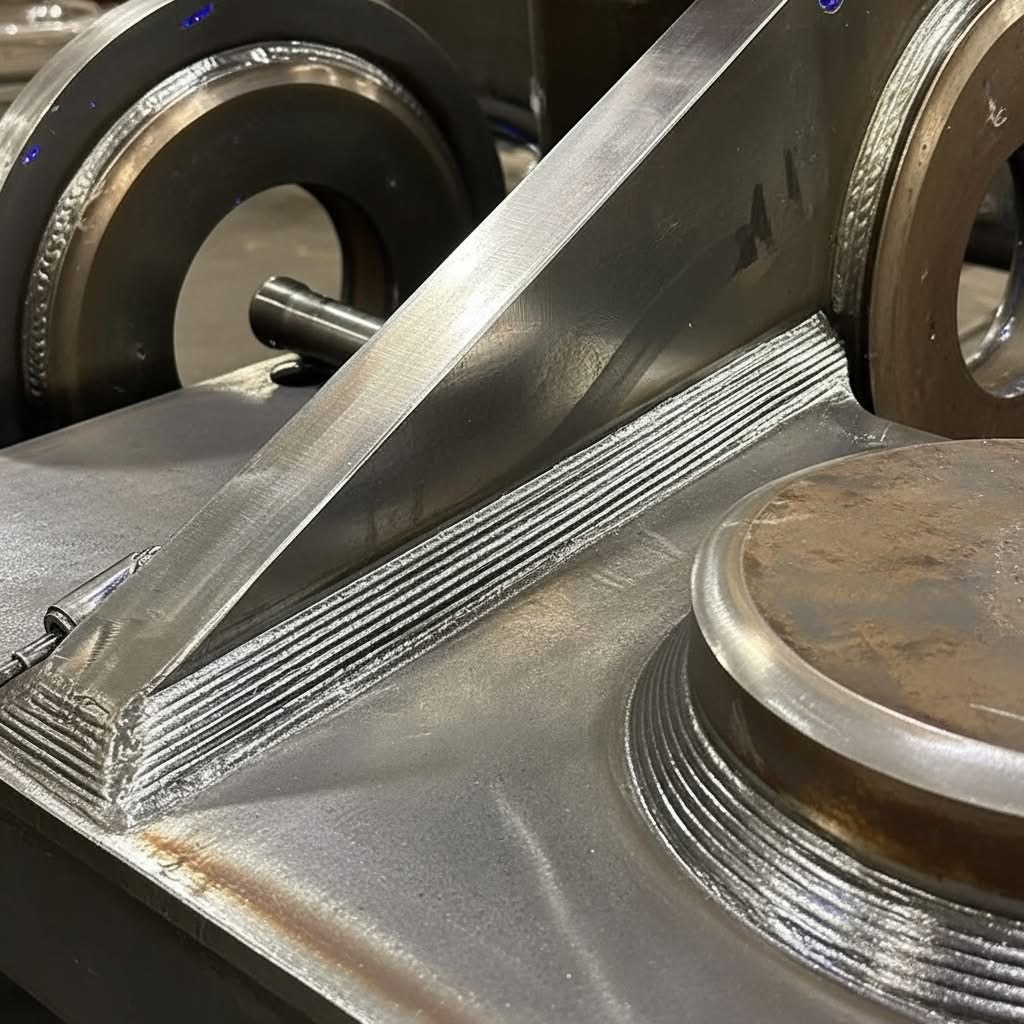
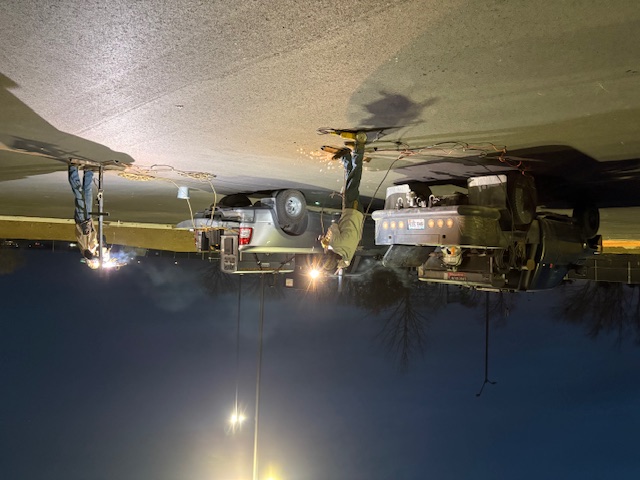
- Are your welders AWS-certified? (Should be a yes for any structural welds.)
- Do you carry general liability and workers' comp? Can you send a COI?
- What's your experience with this brand of steel building? Brands have quirks.
- Will the same crew that quoted the job actually be on-site?
- Have you done a building this size in Kansas in the last 12 months? Can I drive by it?
If you're shopping cost specifically, our 2026 Kansas steel erection pricing guide walks through the per-square-foot math.
Frequently asked questions
How long does it take to erect a steel building in Kansas?
2 to 4 weeks of on-site time for a typical shop, assuming the slab is poured and weather cooperates. Larger commercial PEMBs: 6 to 12 weeks.
Do I need a permit to put up a steel building in Clay County, KS?
Outside city limits, most ag-use buildings don't. Inside Clay Center, Manhattan, Junction City or Salina city limits, almost always yes. Confirm with the local zoning office.
Can I erect a steel building in winter in Kansas?
Yes - winter is often better. Cold doesn't bother steel. Wind does. We schedule lift days around 15-mph-or-less wind windows year-round.
Steel building or post-frame for a Kansas shop?
Post-frame for the cheapest possible ag storage. Steel for everything else - clear span, lifespan, resale, insurance, wind/snow ratings all favor PEMB.
Who erects steel buildings near Clay Center, KS?
Parker Welding & Fabrication. We're local, AWS-certified, insured, and routinely set steel in Clay, Riley, Cloud, Washington, Geary, Republic and Marshall counties. Call (785) 747-7600 or use our quote form.
Ready to put steel in the ground?
Tell us about your building - kit, size, site, timeline - and we'll come back with an honest, written quote, usually the same day.
Get My Free Quote